Hospital Prices
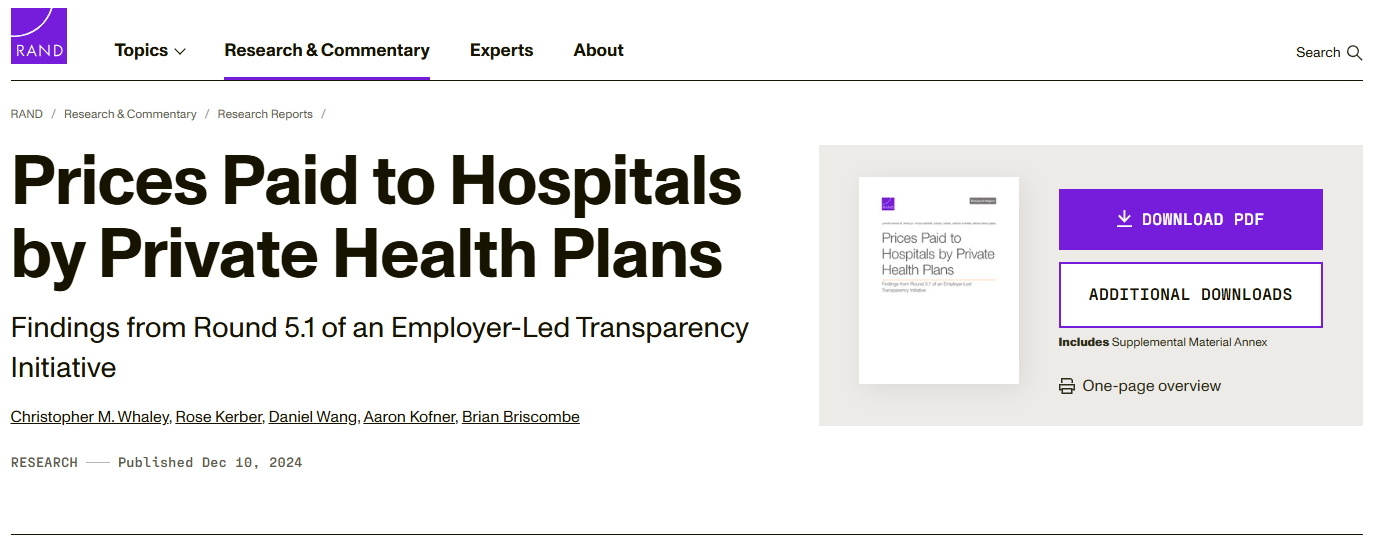
As Mainers continue to struggle with the cost of care, hospital prices continue to rise unabatedly. Some blame for-profit insurance carriers for those rising costs, but it is primarily high hospital prices—not insurance carriers— that are the driving force behind the rising cost of insurance premiums.
Spending on hospital care makes up almost 40 percent of total healthcare spending in Maine. By 2020, per person spending on hospital services in Maine was more than $4,500, up 164 percent since 2001. That’s more than 6 times the growth rate of Mainers’ household incomes over that same time period, and nearly 4 times the rate of inflation.
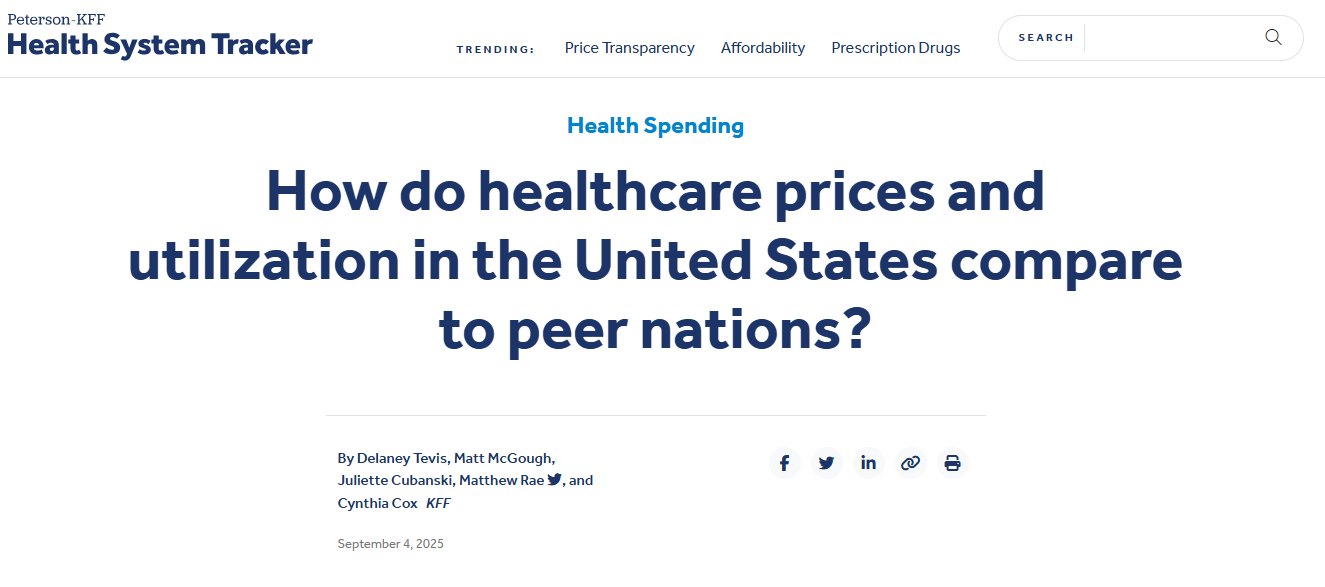
What’s driving up hospital costs? It’s not increased utilization, it’s higher prices. Between 2018 and 2024, inpatient prices in Maine rose 28 percent and outpatient prices increased 51 percent. Over that same time period, utilization for inpatient services dropped 7 percent, while utilization of outpatient services increased by almost 1 percent.
In Maine, hospitals on average charge commercial payers 2.5 times more than what Medicare pays them for the exact same service.
Hospitals claim they have to charge commercial payers more because public payers like Medicare and MaineCare don’t pay enough to cover the costs of those patients. But this argument doesn’t hold water.
Studies have consistently found that the prices hospitals charge have little to no connection to their share of Medicare and Medicaid patients.
Instead, a hospital’s market power is the strongest predictor of the prices it charges. Studies have found that large health systems primarily raise commercial rates as a way to increase revenue, rather than to offset lower public program payments.
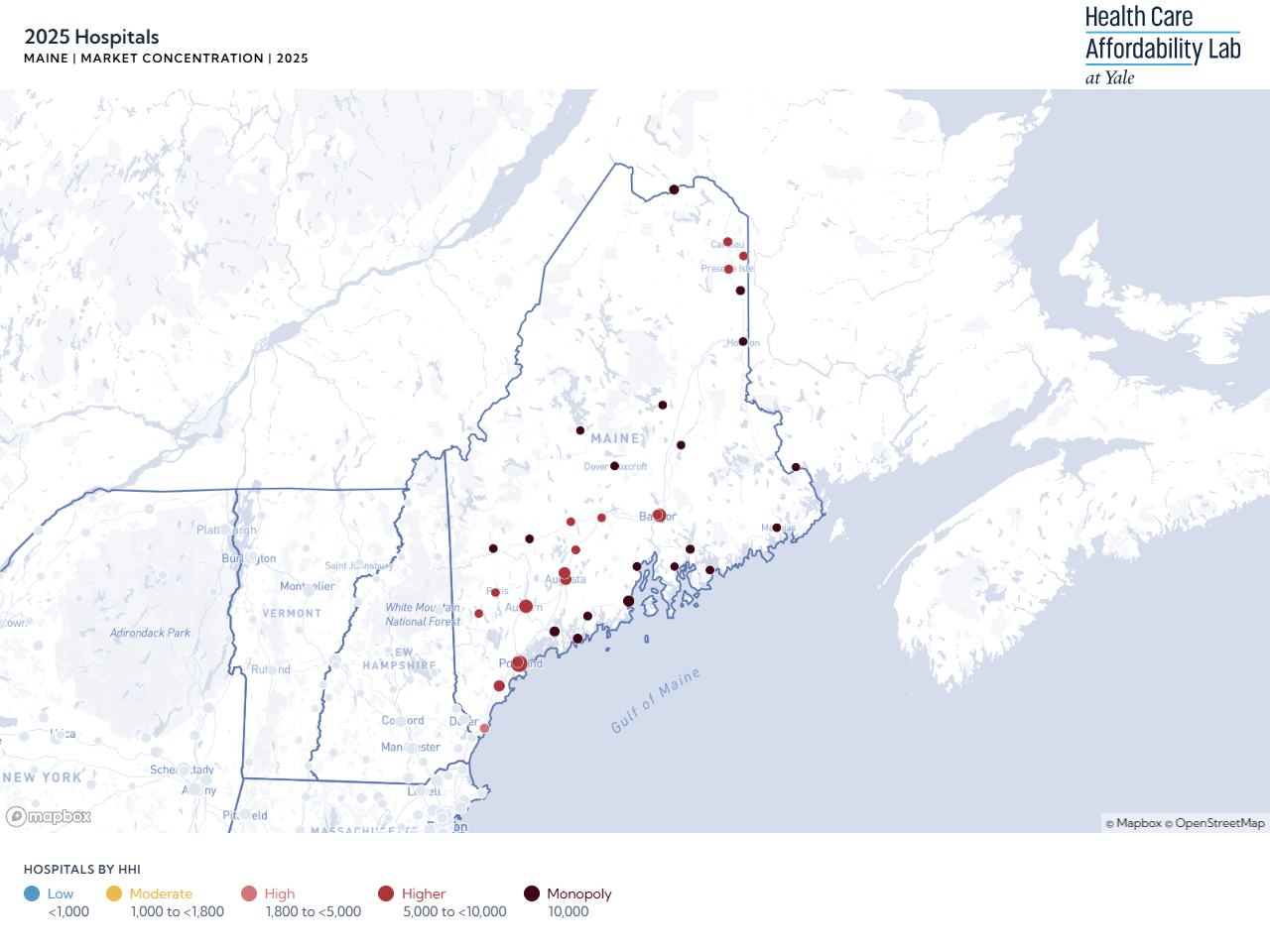
This is particularly problematic for Maine, where the healthcare sector is consolidated around a few large health systems that have geographical monopolies that make it difficult for commercial payers to negotiate fair prices.
Studies have found that prices in consolidated markets are higher than in competitive markets, with one study estimating average prices are 12 percent higher at monopoly hospitals, compared to markets with robust competition.
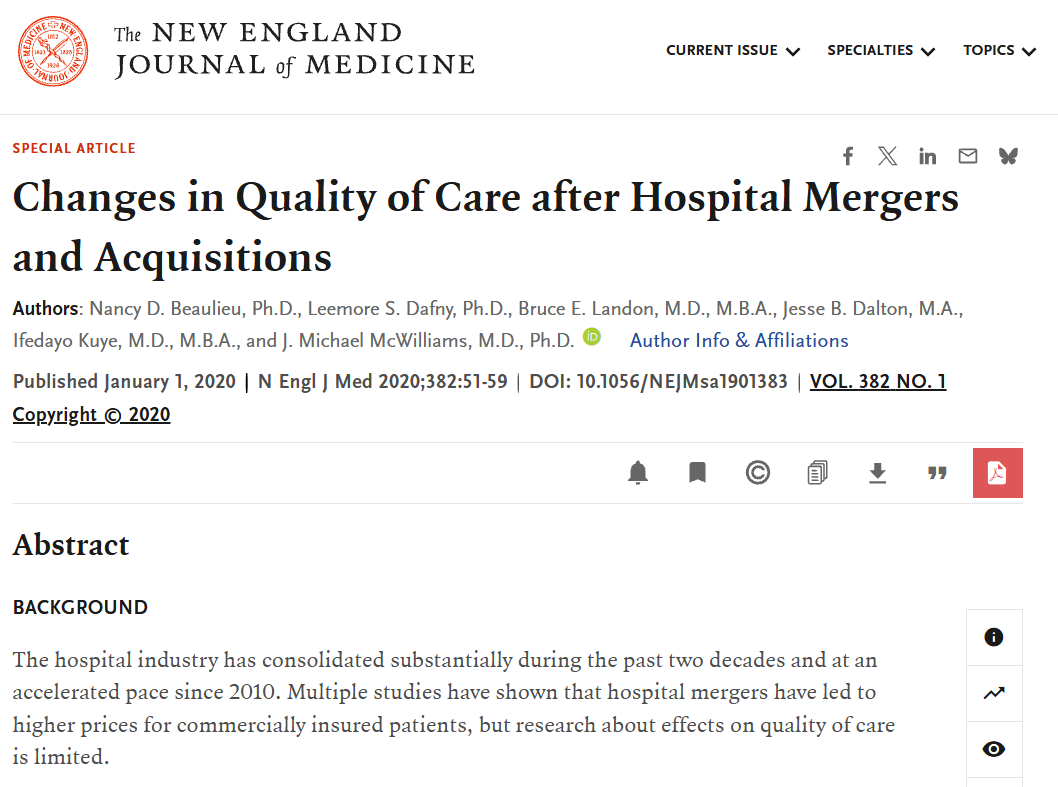
Nor do mergers necessarily result in improved quality. One study found that hospital acquisitions were “associated with modestly worse patient experiences and no significant changes in readmission or mortality rates.”
Moreover, even the American Hospital Association acknowledges that Medicare reimbursement rates cover 82 percent of Medicare patient costs, which means hospitals should be able to break even at 122 percent of Medicare!
Hospitals also say higher commercial prices are necessary to cover the cost of charity care. But charity care made up just 1.5 percent of Maine hospitals’ net patient service revenue in 2024.
Hospitals also claim that—despite receiving annual price increases that outstrip inflation—they are struggling financially and have to continue increasing their rates to achieve positive operating margins.
But there are two ways to address narrow operating margins, and focusing solely on increasing revenue ignores the other option: lowering operating costs, which is something that any organization facing financial challenges must address as part of efforts to improve their financial status.
Yet up until recently, based on conversations with financial personnel at Maine’s four largest health systems, none had a cost-accounting system in place. Meaning they had no idea how much it costs them to provide care—let alone whether they were providing care as efficiently as possible.
As policymakers and other stakeholders pursue strategies to moderate hospital spend, an important component of that work will be improving hospital efficiency.
Maine employers and consumers have had to tighten their belts to afford the ever-rising costs of health care; hospitals must do the same.

“We know that if we make someone a FTE, that is a full time commitment with our contribution to health insurance every month. So before hiring, we assess whether or not it is something that we can afford. This makes us understaffed and conservative for costs and retaining people for full time work.” -Portland, ME Business Owner